Tracing Digital Threads: How App-Based Networks Quietly Link Live Tables to Progressive Surges for Everyday UK Players
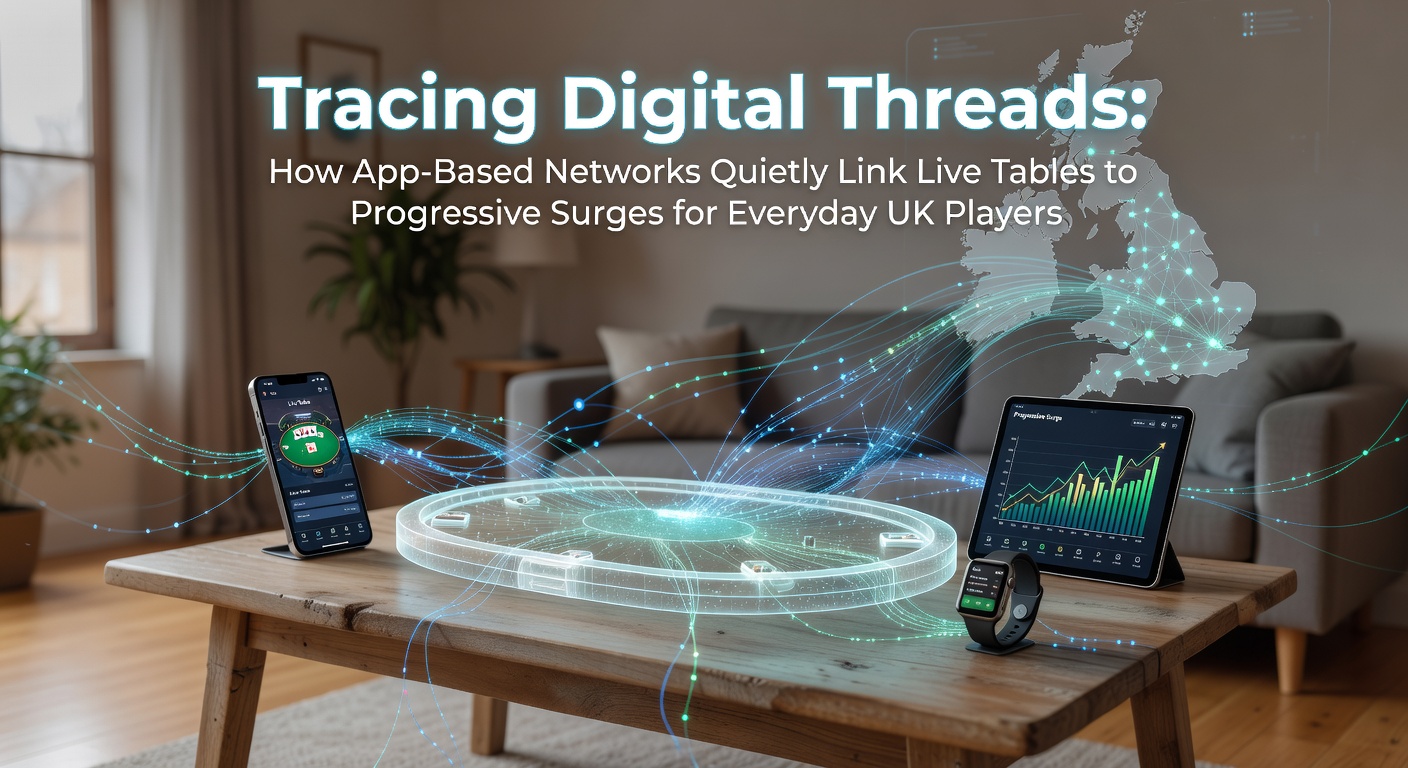
App-based networks now connect live dealer tables directly to progressive jackpot pools through integrated software platforms that sync real-time bets with shared prize accumulators, and observers note this linkage has expanded steadily since the mid-2020s.
Network Architecture and Data Flows
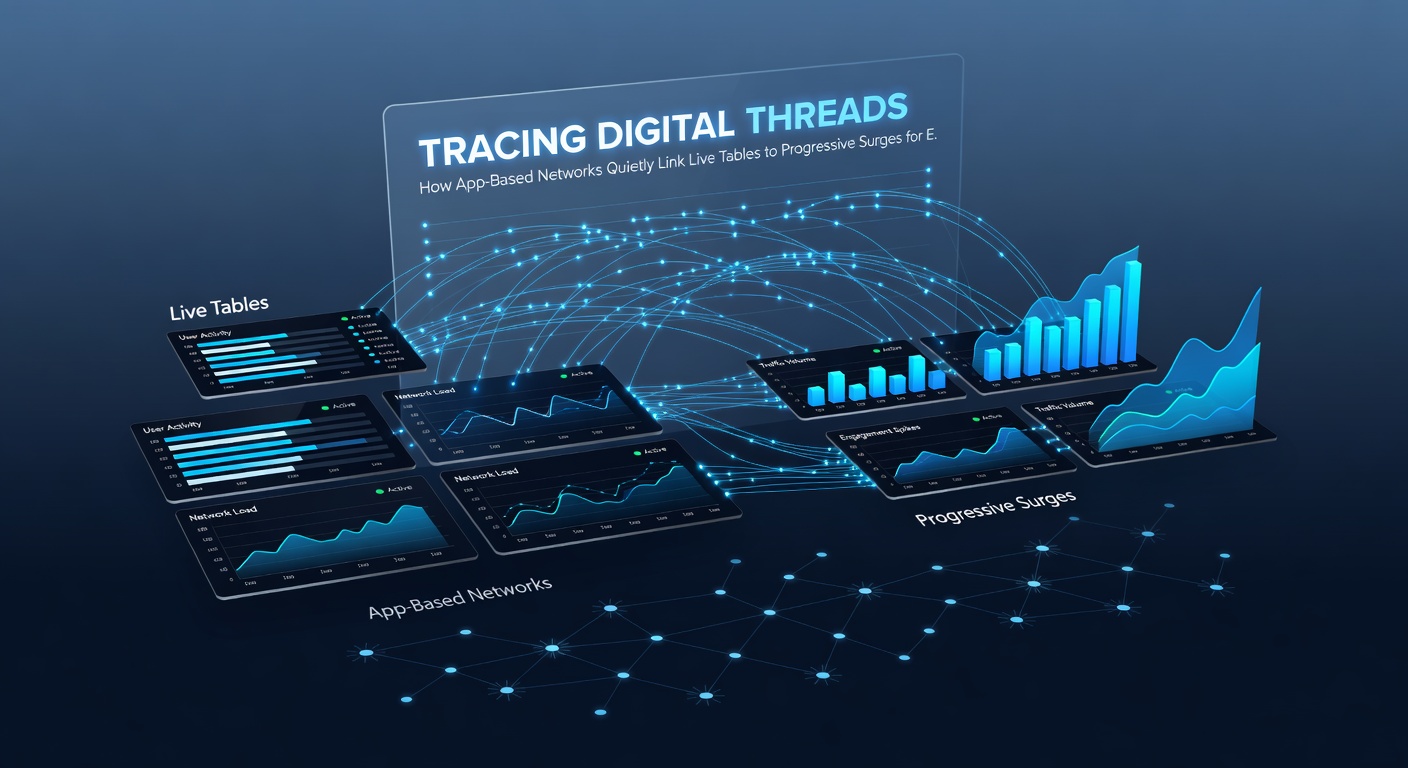
Developers build these systems around centralised servers that pull data from multiple live casino feeds while pushing updates to mobile applications used by players across regions, and the architecture relies on low-latency APIs that transmit bet values and game outcomes within milliseconds. Researchers at several European technology institutes have mapped how these connections operate without requiring players to switch between separate interfaces, which allows a single session on a live roulette table to contribute fractions of each wager toward growing progressive meters visible in the same app window. Data from industry reports indicate that such synchronised platforms handled increasing volumes of cross-game contributions by early 2026, with May figures showing continued growth in linked sessions among UK-based accounts.
Integration of Live Tables and Progressive Meters
Live tables feed into the same progressive structures traditionally reserved for slot machines when operators configure the backend software to treat table bets as eligible inputs, and this configuration uses weighted algorithms that allocate portions of wagers based on game type and stake size. Experts have observed that the process remains invisible to most participants because the application layer displays only the familiar table interface alongside a shared jackpot counter that increments after each qualifying round. According to analyses published by the European Gaming and Betting Association, the technical bridge between table outcomes and jackpot pools depends on encrypted data packets that maintain compliance with regional licensing standards while enabling the surge mechanics that attract everyday participants.
Take one implementation where a live blackjack table in an offshore studio transmits results to a UK-accessible app, and each hand automatically adds to a multi-tiered progressive that can trigger during the same session or later across connected games. Those who've reviewed the underlying code note that random number generators for the jackpot trigger remain independent of the table shuffle, preserving fairness while the contribution stream continues uninterrupted.
Player Access Patterns in the UK Market
Everyday UK players encounter these linked systems through standard mobile downloads that require only age verification and account funding, after which the application routes participation across live tables and progressive opportunities without additional steps. Figures reveal that session lengths often extend when users notice the accumulating meters, yet the decision to continue stems from the continuous display rather than any external prompt. A study conducted by gaming researchers at the University of Nevada tracked similar network behaviours in comparable jurisdictions and found that contribution rates from table games reached measurable percentages of total progressive pools by spring 2026.
What's interesting is how the quiet linkage operates without altering the core rules of either live play or jackpot eligibility, so participants experience familiar dealer interactions while their activity feeds into broader prize structures. The reality is that regulatory frameworks in multiple territories now accommodate these hybrid models provided operators maintain separate ledgers for table results and jackpot accounting.
Technological and Regulatory Context
Cloud-based infrastructure supports the scalability needed for thousands of simultaneous connections, and operators deploy updates that refine contribution formulas without disrupting active sessions. Data indicates that bandwidth demands remain modest because the apps transmit only essential bet metadata rather than full video streams. Those monitoring the sector point to May 2026 as a period when several networks reported stable uptime across peak evening hours for UK users, confirming the reliability of the underlying threads.
Links to external oversight come from bodies such as the European Gaming and Betting Association and academic reviews that examine data security rather than endorsing specific products. Another reference appears in reports from the Canadian Gaming Association, which documented parallel integration trends in North American markets during the same timeframe.
Conclusion
The digital threads that bind live tables to progressive systems through app-based networks continue to evolve as software standards advance, and current patterns suggest sustained adoption among everyday participants who value the combined experience. Evidence from multiple sources shows that the technical and operational elements function within established licensing boundaries, delivering measurable activity without requiring players to navigate separate platforms. Observers expect further refinements in contribution logic and display features as operators respond to usage data gathered through 2026 and beyond.