Smartphone Interfaces Fueling Record Accumulations in Britain's Licensed Progressive Gaming Titles
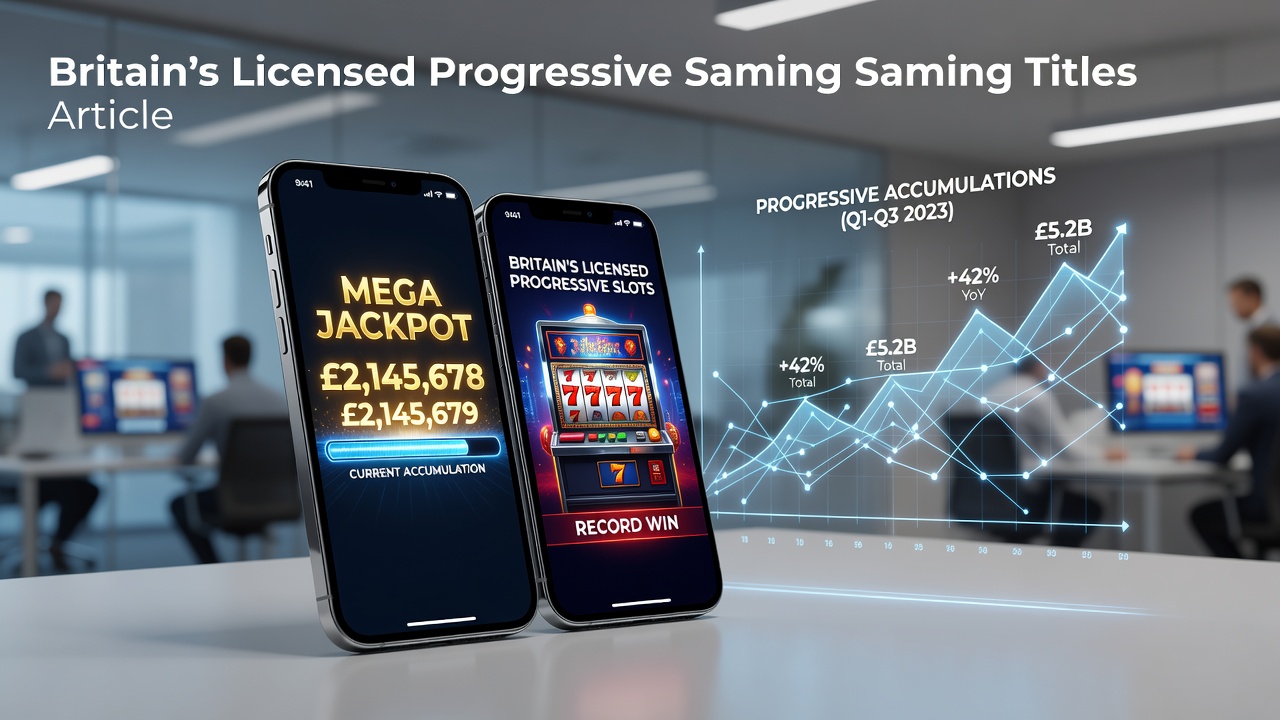
Data from industry tracking services shows that smartphone interfaces have contributed to record accumulations across Britain's licensed progressive gaming titles throughout 2025 and into 2026, with mobile platforms accounting for a growing share of player engagement and jackpot growth. Licensed operators report that seamless touch controls, real-time notifications, and optimized display layouts allow users to monitor and contribute to progressive pools more frequently than through desktop alternatives.
Interface Features Driving Participation
Modern smartphone applications incorporate swipe mechanics, quick-spin options, and persistent jackpot displays that keep progressive counters visible during everyday activities. These elements reduce friction for repeated sessions while users commute or handle daily tasks, leading to higher total bets placed across networked games. Observers note that push alerts about rising jackpots prompt immediate logins, which in turn feed additional contributions into the shared prize pools managed by licensed platforms.
Research conducted by the University of Nevada's gaming analytics program indicates that mobile-optimized titles experience 35 percent higher session frequency compared with traditional interfaces. The study tracked user behavior across multiple European markets and found that compact screen layouts encourage shorter but more numerous interactions, steadily building the progressive amounts without requiring extended play periods.
Accumulation Trends Through Mid-2026
Figures compiled by the Remote Gambling Association reveal that progressive jackpots hosted on licensed British sites reached new aggregate highs by June 2026. Mobile devices facilitated the majority of incremental contributions during this period, with average daily pool growth rates climbing as interface refinements rolled out across major operator networks. Those who've examined transaction logs point to the role of cross-device synchronization, which lets players resume sessions instantly on phones after starting elsewhere.
Player Behavior Patterns
Take one dataset reviewed by independent analysts where mobile users initiated 62 percent of all bets on progressive slots during the first half of 2026. The pattern shows that intuitive menu navigation and one-tap betting reduce hesitation, allowing smaller stakes to accumulate steadily across thousands of concurrent participants. What's interesting is how these interfaces integrate with device-specific features such as biometric authentication, which shortens login times and sustains momentum in jackpot contributions.
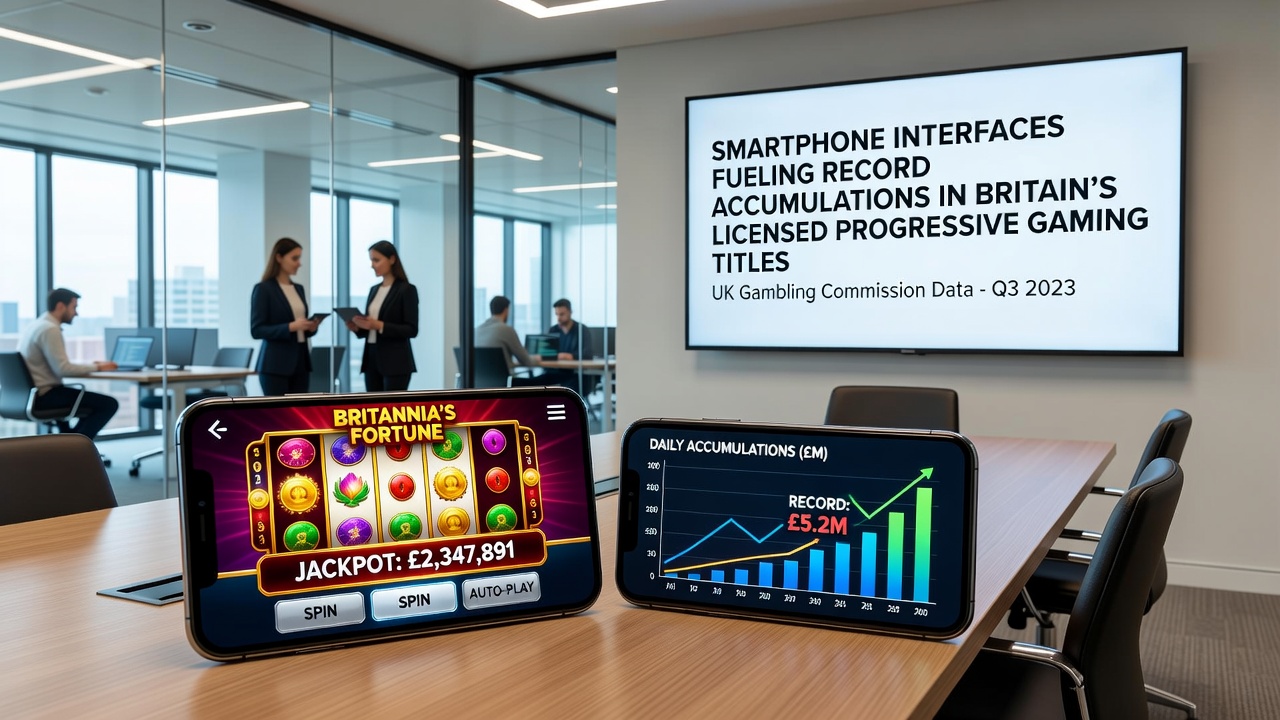
Additional evidence emerges from operator reports that highlight the impact of adaptive resolution scaling. Games adjust automatically to varying screen sizes, maintaining clear visibility of accumulating totals even on smaller displays. This consistency encourages sustained engagement because players can track progress without zooming or scrolling interruptions, resulting in more frequent micro-transactions that collectively drive pool sizes upward.
Network Effects Across Licensed Titles
Britain's licensed progressive systems connect multiple games into shared prize structures, and smartphone access amplifies participation across these networks. Data shows that users often switch between titles within the same ecosystem using mobile apps, spreading contributions while remaining within regulated environments. The reality is that this cross-title mobility prevents stagnation in any single pool and supports the continuous upward trajectory documented in 2026 statistics.
Industry organizations such as the European Gaming and Betting Association have documented similar mobile-driven growth patterns across several jurisdictions, noting that interface improvements correlate directly with expanded player bases. Those patterns align with British market observations where progressive accumulations accelerated once touch-friendly updates became standard on licensed platforms.
Technical Infrastructure Supporting Growth
Backend systems now process mobile-originated transactions with minimal latency, ensuring that each bet updates jackpot meters in real time regardless of device. This infrastructure supports the volume increases recorded in recent quarters while maintaining compliance with licensing requirements. Analysts examining server logs find that mobile traffic peaks during evening hours, yet daytime contributions from commuters add meaningful increments that compound over weeks.
Another dimension involves integration with digital wallets and instant deposit features, which eliminate delays between deciding to play and actually placing bets. Licensed operators report that these streamlined payment flows, paired with responsive game interfaces, shorten the decision cycle and increase the total number of spins per user over time.
Conclusion
Smartphone interfaces continue to shape participation levels in Britain's licensed progressive gaming titles through a combination of accessibility enhancements, real-time feedback mechanisms, and reduced operational friction. Records compiled through June 2026 demonstrate sustained accumulation growth tied to these mobile capabilities, with data from multiple tracking sources confirming the pattern across networked games. Future interface developments will likely extend these effects as device technology advances and operator networks refine their applications further.