Interconnected Reel Networks Drive Shared Jackpot Growth in Digital Gaming

Interconnected reel networks link slot machines across separate digital platforms so that each wager contributes to one expanding prize pool, and operators in North America, Europe and Asia-Pacific have adopted these systems to scale jackpot values without relying on single-site traffic alone. Data from the American Gaming Association shows that networked progressives accounted for roughly 18 percent of total slot revenue in regulated U.S. markets during the first half of 2026, while similar architectures in Australia and parts of the European Union produced comparable proportional growth.
How Linked Reel Systems Operate
Each participating machine transmits a small percentage of every bet to a central server that tallies contributions in real time; the server then broadcasts the updated total back to every connected display so players see one common figure climb regardless of which platform they use. Gaming Laboratories International certifies the random-number generators and metering protocols that ensure each site records identical contribution rates and that the pooled amount cannot be altered by any single operator after certification.
Platforms integrate through standardized APIs that pass encrypted transaction packets every few milliseconds, and these connections remain active even when individual sites experience brief outages because redundant nodes reroute traffic automatically. Observers note that this redundancy prevents jackpot stagnation during maintenance windows, a feature that single-site progressives cannot replicate.
Shared Prize Pools Across Jurisdictions
Operators in Nevada and New Jersey began pooling reels in 2023 under agreements approved by the Nevada Gaming Control Board and the New Jersey Division of Gaming Enforcement, creating the first multi-state progressive available to both land-based and online players. By June 2026 the same architecture had expanded to include platforms licensed in Pennsylvania and Michigan, and aggregate contributions exceeded $2.4 million daily across the four jurisdictions.
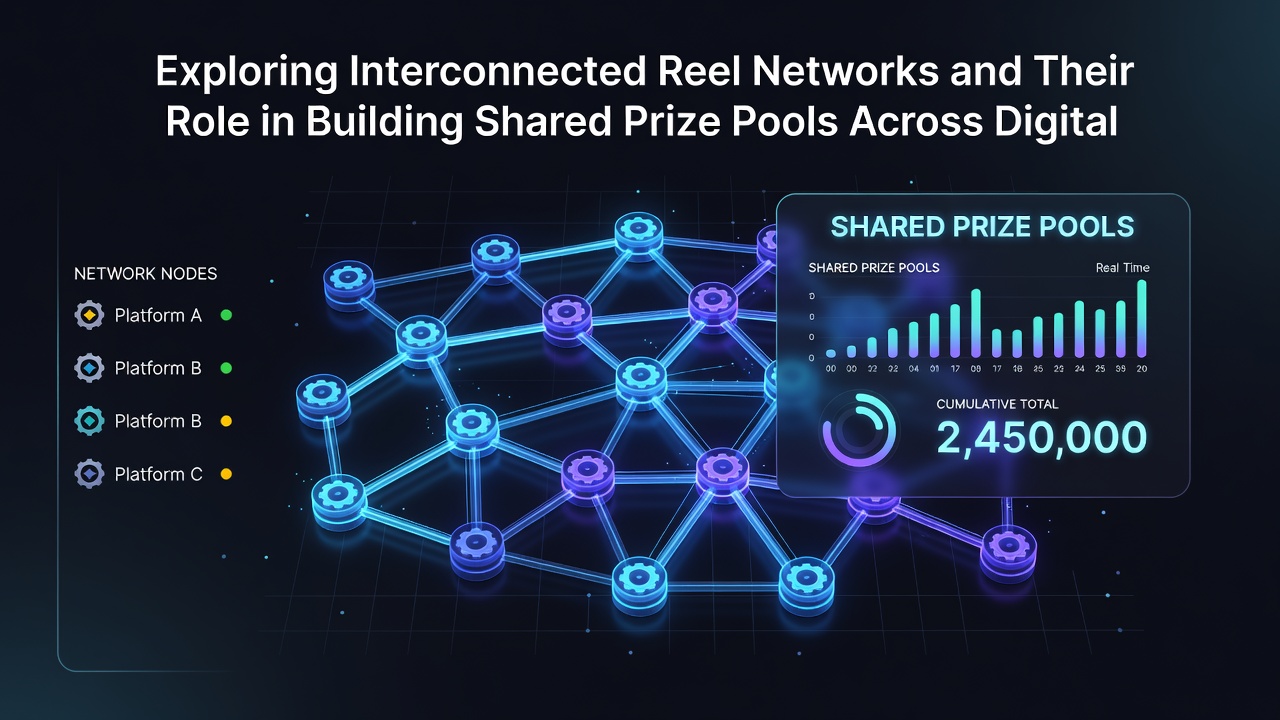
Similar cross-border arrangements operate between Australian states, where the New South Wales liquor and gaming authority and its Victorian counterpart permit pooled meters on selected titles; monthly reports indicate that these shared pools reach trigger levels 40 percent faster than comparable standalone machines. European operators have pursued parallel structures under Malta Gaming Authority oversight, linking platforms in multiple member states while maintaining separate tax ledgers for each jurisdiction.
Technical Standards and Security Measures
Certification bodies require that every contribution message carry a cryptographic signature and timestamp, and independent auditors conduct quarterly penetration tests on the central servers. When a jackpot hits, the system freezes further contributions, records the winning machine identifier, and initiates a payout workflow that each participating operator must complete within its own regulatory timeframe. The entire sequence typically concludes within 48 hours, after which the meter resets to a seed amount funded by participating sites according to pre-agreed contribution ratios.
Researchers at the University of Nevada, Reno documented that these reset mechanisms maintain player engagement because the visible meter rarely drops to zero; instead it returns to a base value that already incorporates minimum guarantees from all network members.
Player Reach and Platform Diversity
Because any licensed platform can join the network, players encounter the same progressive total whether they access games through a desktop client, a mobile app, or a browser-based instant-play version. This uniformity removes friction for users who switch devices mid-session, and operators report that session lengths on networked titles average 12 percent longer than on non-networked equivalents.
Platforms also differ in theme, volatility and bonus features yet still feed the same prize pool; one title might emphasize frequent small triggers while another offers rarer high-volatility spins, yet both increment the shared meter at identical rates. This variety allows operators to target different audience segments without fragmenting the jackpot itself.
Conclusion
Interconnected reel networks have matured into a scalable infrastructure that aggregates wagers across platforms and jurisdictions while preserving each operator's compliance obligations. As of June 2026 the model continues to expand through new licensing agreements and improved API standards, supported by certification from bodies such as Gaming Laboratories International and regulatory oversight from agencies including the Nevada Gaming Control Board and the New South Wales liquor and gaming authority. The architecture demonstrates how shared prize pools can grow larger and trigger more often when contribution streams remain synchronized across digital boundaries.