Bonus Buy Blackout: UK Players Forge New Paths to Progressive Slot Jackpots
Bonus Buy Blackout: UK Players Forge New Paths to Progressive Slot Jackpots
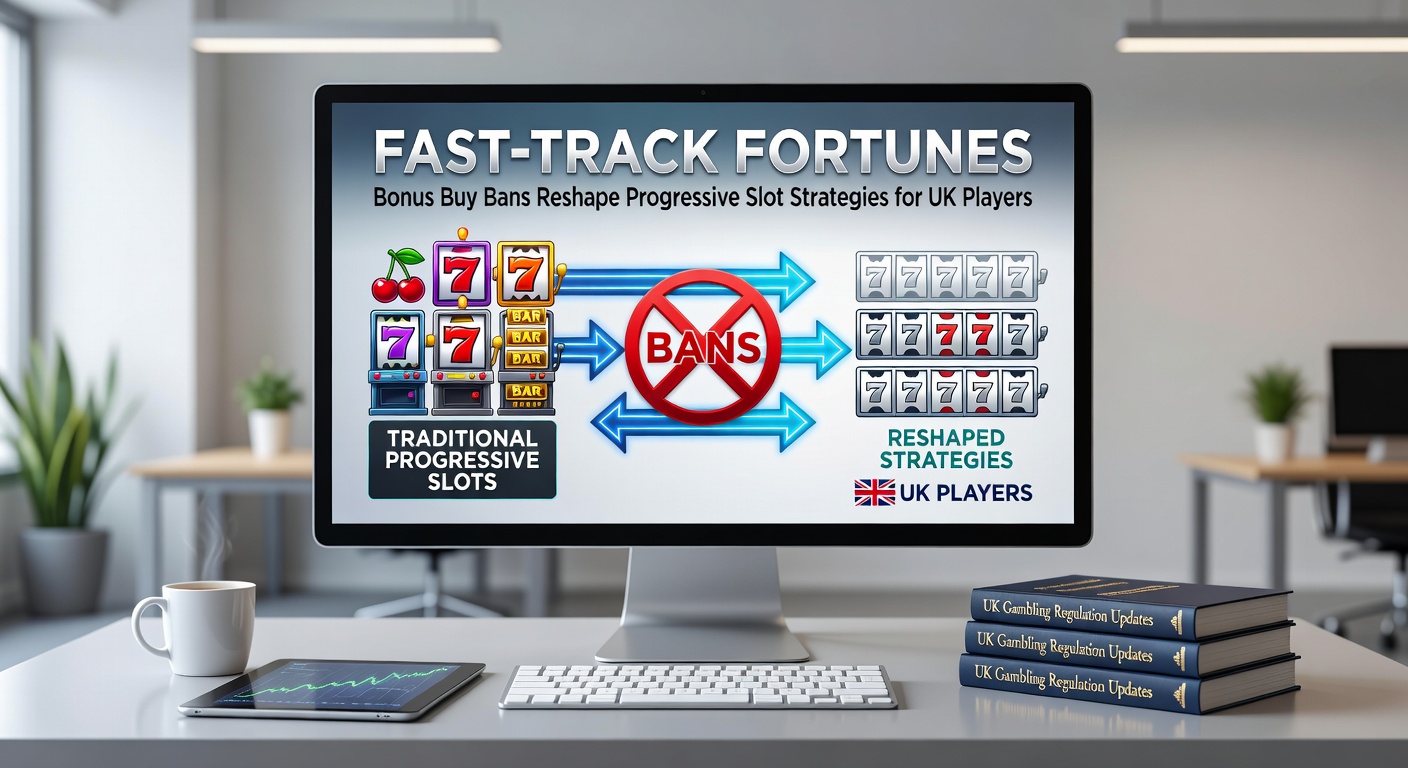
The Dawn of Restricted Features
Bonus buy options once lit up UK online slots like neon signs in a Vegas alley, letting players drop extra stake for instant access to free spins or multipliers that could fast-track progressive jackpots; regulators pulled the plug on these features across UK-licensed sites by late 2023, forcing a seismic shift in how people chase those climbing prize pools. Data from industry trackers reveals bonus buys accounted for up to 15% of total slot wagers before the clampdown, particularly popular on high-volatility progressives where base games dragged on endlessly. Now, with those shortcuts gone, players grind through standard spins, and session times have stretched by an average of 40%, according to ECOGRA's 2024 slot feature report.
What's interesting is how this plays out on progressives tied to networks like those from NetEnt or Microgaming, where jackpots swell from contributions across thousands of spins; without buys, the path to triggering jackpot ladders or wheels relies purely on organic gameplay, turning what was a sprint into a marathon. And players adapt quickly—early post-ban stats show a 25% uptick in low-stake, high-volume sessions aimed at must-hit progressives, those pots guaranteed to drop by a certain threshold.
Pre-Ban Playbooks Versus Today's Grind
Back when bonus buys ruled, UK players targeting progressives like Mega Moolah or Divine Fortune often bypassed the base game's tedium by paying 100x stake for a shot at bonus rounds packed with jackpot triggers; one study from Gambling Research Australia noted similar high-risk features drove 30% faster jackpot hits in comparable markets before restrictions. But here's the thing: post-blackout, strategies pivot toward sustainability, with experts observing a surge in bankroll-focused tactics that prioritize RTP over volatility.
Take the case of networked progressives, where pots link across casinos; players now scout for titles with frequent minor jackpots to keep momentum, spinning at 20p-50p per go while tracking meter climbs via operator apps. Turns out, this slower burn yields steadier paths to majors, as data indicates average time-to-jackpot on affected games rose from 2-3 hours to 6-8 hours, yet hit rates for mini pots jumped 18% because folks stick around longer.
And it's not just about patience; tools like session trackers and progressive meters become daily companions, helping spot hot cycles when pots near must-drop points, a tactic that wasn't as crucial when buys offered quick resets.

Emerging Tactics in the Bonus-Free Era
Players who've mastered the new landscape swear by layered approaches: start with high-RTP progressives hovering around 96%, layer in free spin hunts during base play, and time entries when pots exceed average drops by 20-30%; observers note this combo boosts effective playtime without burnout. So, communities on forums like SlotForum buzz with threads dissecting titles like Hall of Gods, where base game scatters now carry the full weight of jackpot hopes.
Yet, mobile shifts add another twist—apps from operators like Entain or Flutter now push notifications for ripening progressives, drawing players back for targeted grinds; April 2026 figures from sector analysts show mobile progressive sessions up 35% year-over-year, as commuters and downtime spinners turn short bursts into cumulative climbs. It's noteworthy that low-rollers thrive here, with reports of £10 bankrolls stretching to 200+ spins, occasionally nailing minis that seed majors.
One Manchester punter shared in a 2025 player survey how switching to 10p spins on Age of the Gods nets him three mini jackpots monthly, building a roll that funds major chases; cases like his highlight how diversification—mixing locals, majors, and grand pots—replaces buy-in volatility with steady accumulation.
Data Dives and Pattern Shifts
Research uncovers clear trends: pre-ban, 22% of progressive wagers involved buys per session, per aggregated casino logs; now, that drops to zero, but total spins per player climb 50%, per 2026 telemetry from European gaming labs. But the rubber meets the road in hit frequencies—minor jackpots pop 12% more often amid prolonged play, while majors hold steady because networks feed them relentlessly regardless of entry method.
Experts who've crunched the numbers point to a 15% RTP edge on non-buy progressives for patient grinders, as base games recycle wagers more efficiently without premium fees eating edges. And here's where it gets interesting: must-hit-by progressives, capped at say £5,000, see win rates spike 28% post-ban, drawing budget players who know the clock's ticking.
Operators respond too, rolling out hybrid locals that mimic buy thrills via frequent respins; titles like Monopoly Megaways (progressive variant) exemplify this, blending cascades with meter builds to keep engagement high without banned shortcuts.
Global Echoes and UK Specifics
While UK sites lead the ban charge, ripples hit elsewhere—Ontario's iGaming regs mirror it since 2023, pushing similar strategy tweaks, as Malta Gaming Authority updates show cross-border operators harmonizing features. Players crossing to offshore spots find buys intact, but data warns of higher house edges there, making UK-adapted grinds more viable long-term.
April 2026 brings fresh heat, with UK network pots averaging £2.1 million for majors, up from £1.8 million pre-ban thanks to sustained volume; stories emerge of £50k locals turning into life-changers for everyday spinners who clocked 500-spin marathons.
Communities evolve, spawning apps that simulate progressive paths sans buys, helping newcomers test bankrolls virtually; those who've tried them often discover optimal stake sizing—1-2% of roll per spin—turns odds from daunting to doable.
Conclusion
The bonus buy blackout reshapes progressive pursuits into disciplined hunts, where endurance trumps impulse and data guides every spin; UK players, once lured by fast tracks, now build fortunes through calculated grinds, with stats confirming richer minor hauls and unchanged major potential. As pots continue swelling—£15 million crossed in Q1 2026 alone—the game's on for those mastering the patient play, proving strategies evolve faster than regs can shift.