App Networks Driving Collective Jackpot Expansion Across Regulated British Gaming Platforms
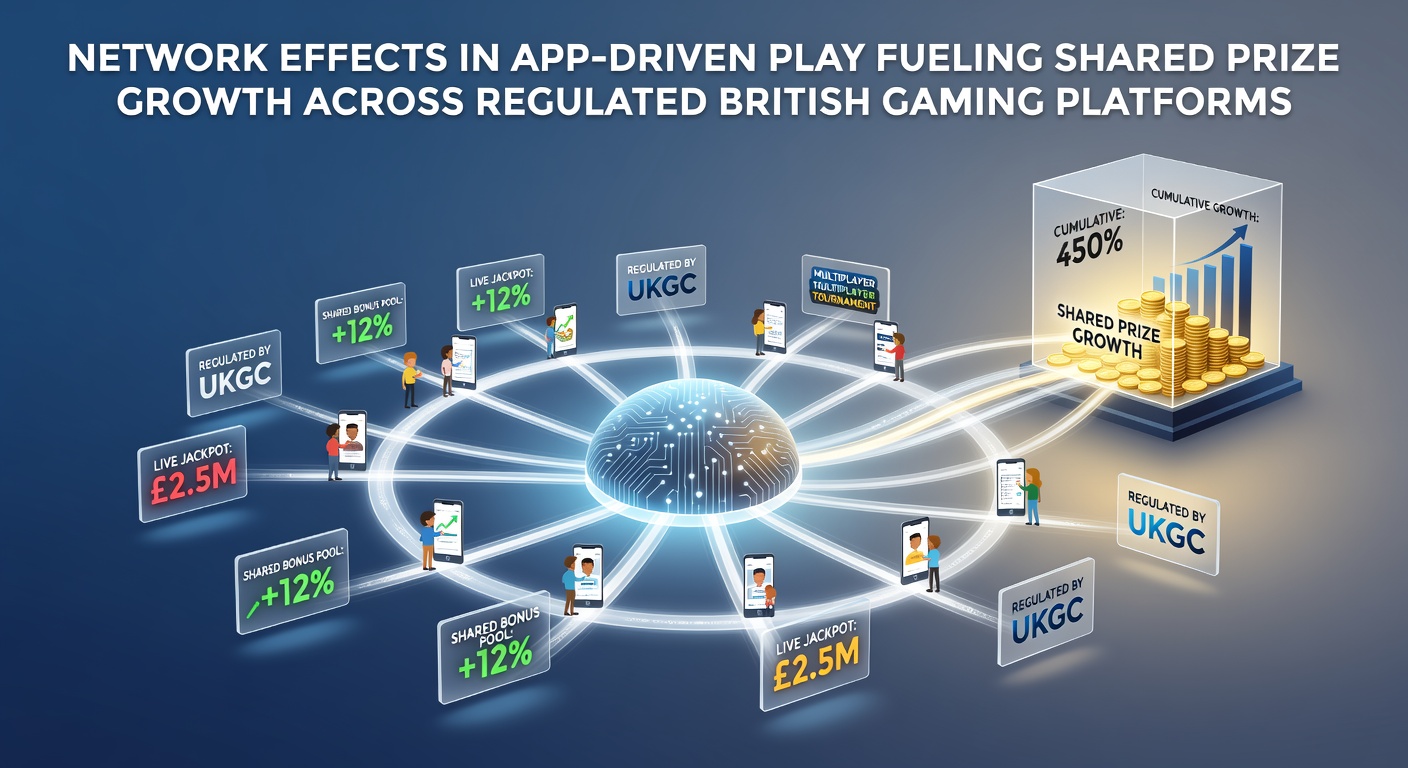
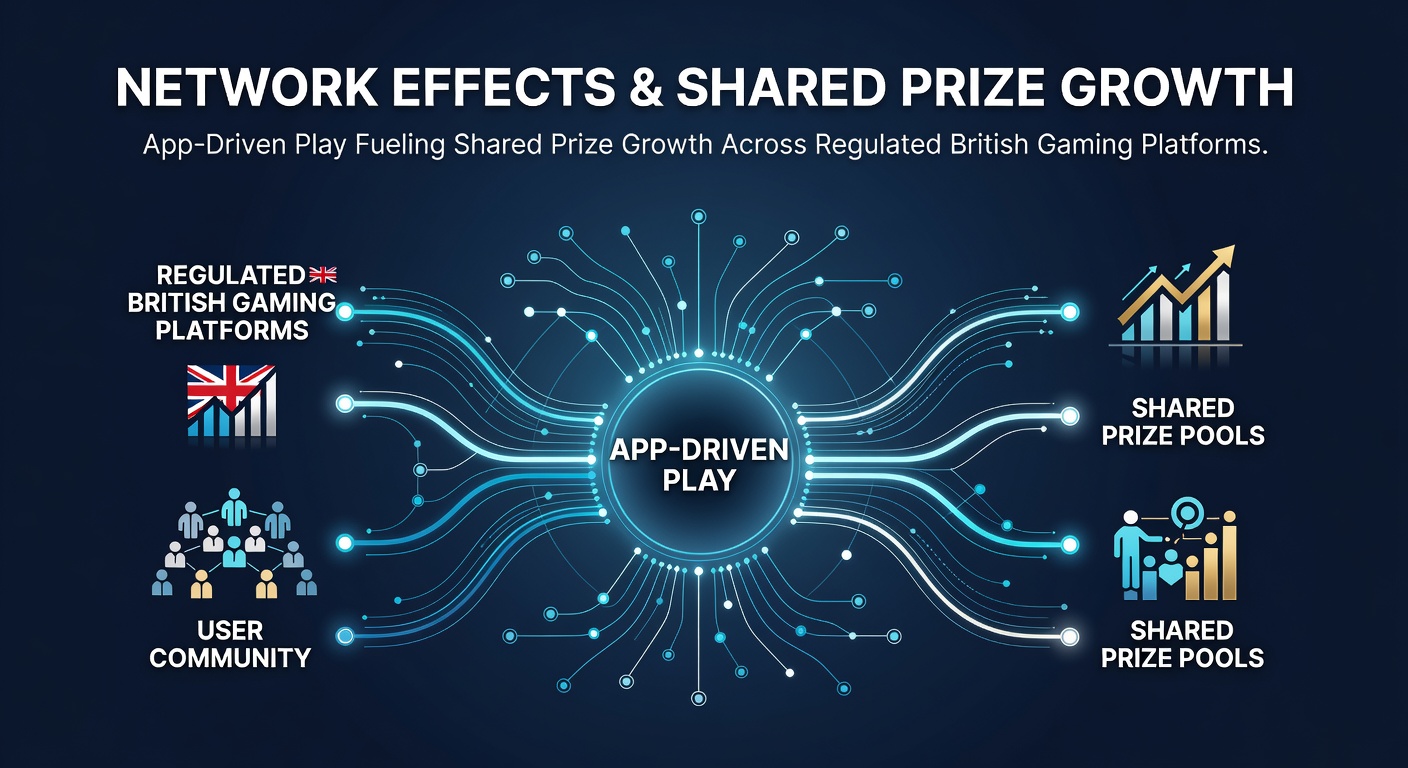
Network effects emerge when additional users joining a platform increase the value for everyone already participating, and this dynamic shows up clearly in app-driven play on regulated British gaming platforms where shared prize pools grow through collective contributions. Mobile applications connect players across multiple operators, allowing each wager to feed into larger progressive structures that expand as participation rises. Data from industry reports indicate that these connections have accelerated prize pool growth rates since the widespread adoption of cross-platform apps in the mid-2020s.
Mechanics of Network Effects in Mobile Gaming Apps
Each player who downloads and engages with a connected gaming app adds liquidity to shared systems, and operators have observed that prize pools scale proportionally with active user bases. When thousands of additional sessions occur daily through these applications, the incremental contributions compound into larger jackpots that reset less frequently and reach higher peaks. Researchers at academic institutions studying digital economies note that this mirrors patterns seen in other networked services where marginal user growth produces exponential value increases rather than linear ones.
Application interfaces facilitate seamless movement between games and operators while maintaining unified progressive meters, which means a single bet placed in one region contributes to a pool visible to players elsewhere. This architecture prevents fragmentation that once limited jackpot sizes, and it creates a self-reinforcing cycle where larger visible prizes attract further engagement. Figures released by European gaming trade groups show average progressive pool values rising between 18 and 25 percent annually in markets with high app penetration.
Shared Prize Growth Patterns in Regulated British Markets
Regulated British platforms have integrated app-based networks that aggregate contributions from multiple operators under unified prize frameworks, and this setup has produced measurable expansion in both frequency and magnitude of payouts. Players accessing games through these applications see real-time updates to communal meters, which encourages sustained participation as the visible totals climb. Industry analyses indicate that platforms employing such networks report higher average session lengths compared with isolated systems, directly feeding additional funds into the shared structures.
One notable development involves progressive slots and table games linked through centralised app backends, where small percentages of each stake accumulate across thousands of daily transactions. Observers tracking these systems report that pools crossing multi-million thresholds occur more regularly when app-driven connectivity reaches critical mass. Data compiled through 2025 demonstrates consistent upward trajectories, with projections extending into May 2026 suggesting continued expansion as more operators adopt interoperable app standards.
Regulatory Frameworks Supporting Networked Play
Regulatory bodies outside the immediate UK jurisdiction, such as the Malta Gaming Authority, have established guidelines that permit cross-operator prize aggregation while maintaining oversight on fairness and player protection measures. These frameworks allow British platforms to participate in networked systems without compromising compliance requirements. Similar approaches appear in reports from the Australian Communications and Media Authority, where mobile gambling applications undergo evaluation for network integrity before receiving operational approval.
Operators must implement transparent contribution tracking and independent auditing of progressive systems, and these safeguards ensure that network effects translate into verifiable prize growth rather than opaque accumulation. Research papers from the University of Nevada's International Gaming Institute highlight how such regulated connectivity reduces the risk of isolated small pools that historically capped player excitement. Compliance costs remain manageable because standardised APIs handle the technical connections between platforms.
Future Trajectories and Market Data
Market forecasts prepared by international gaming consultancies project that app network density will increase further by May 2026, driven by 5G infrastructure improvements and refined user interface designs that lower barriers to entry. Each additional cohort of users joining these ecosystems contributes to prize acceleration, creating compounding effects that benefit all participants proportionally. Evidence from longitudinal studies shows that markets with mature app networks sustain higher overall prize distribution volumes than those relying on standalone offerings.
Cross-border data sharing agreements between European regulators facilitate smoother integration of British platforms into wider prize networks, and this connectivity supports the continued scaling of shared jackpots. Trade association statistics from the European Gaming and Betting Association reveal that operators utilising these structures achieve greater operational efficiency through pooled resources and shared technological infrastructure.
Conclusion
Network effects within app-driven environments have established a measurable pathway for shared prize expansion on regulated British gaming platforms, with user growth directly correlating to larger collective pools. The integration of mobile applications under established regulatory oversight has produced transparent, auditable systems that scale efficiently. Continued technological and infrastructural developments through 2026 are expected to reinforce these patterns, sustaining the cycle of increased participation and expanded prize opportunities across the sector.